Facebook Marketing Strategy in 2026: My Practical Growth Framework for Businesses and Personal Brands
By Vishal Parihar
Facebook is still one of the most underestimated growth platforms in 2026.
While many marketers shifted attention to newer platforms, I have consistently seen Facebook generate strong results for personal brands, real estate businesses, and service providers when used with the right strategy.
With more than 3 billion users and a fully AI-driven feed, Facebook is no longer about followers. It is about attention, consistency, and content relevance.
In this guide, I am sharing the exact Facebook marketing framework I use to build authority, generate leads, and scale campaigns for clients and personal projects.
How Facebook Marketing Works in 2026
The biggest shift is simple. Facebook does not distribute content based on page size anymore. It distributes content based on relevance and early engagement signals.
Here is what has changed and what still matters.
| What Changed | What Still Works |
|---|---|
| AI-driven content distribution | Facebook still offers massive reach |
| Creative quality drives performance | Users still seek information and entertainment |
| Broad targeting beats narrow targeting | Clear marketing goals matter most |
| Organic and paid strategies are connected | Consistent testing drives growth |
| Automation and machine learning increased | Strong branding improves trust and recall |
From my experience, brands that adapt to this shift see lower costs, better reach, and stronger lead quality.
The Three Pillars I Use for Facebook Growth
1. Clear Goal Definition
One of the biggest mistakes I see is businesses expecting Facebook to do everything at once.
For most brands I work with, Facebook performs best when focused on one core objective such as authority building, lead nurturing, or retargeting warm audiences.
When the goal is clear, content decisions become much easier.
2. Deep Audience Understanding
Targeting is no longer the main advantage. Messaging is.
Instead of over-optimizing interest targeting, I focus on understanding audience psychology, common objections, buying triggers, and local behavior patterns. This approach consistently improves engagement and conversion quality.
3. Intentional Placement Strategy
Not every business needs to dominate every Facebook surface.
| Placement | Strategic Role |
|---|---|
| Feed | Trust and storytelling |
| Reels | Discovery and reach expansion |
| Groups | Community and authority |
| Messenger | Lead nurturing and follow-ups |
| Ads | Predictable scaling |
Choosing the right placements prevents wasted effort and improves consistency.
My Content Strategy That Works on Facebook Today
Creator-Style Content Over Brand-Style Content
Content that feels human consistently outperforms polished promotional creatives.
For my personal brand and client campaigns, simple talking videos, behind-the-scenes clips, and problem-solving posts often generate the strongest engagement.
Strong Hooks Decide Performance
In most campaigns I analyze, performance is determined within the first few seconds.
Opening with a mistake, insight, or relatable problem dramatically increases watch time and engagement.
Single Idea Content Performs Better
Trying to communicate too much in one post reduces clarity.
The highest-performing posts focus on one lesson, one insight, or one story that audiences can quickly understand and relate to.
My Step-by-Step Facebook Growth Framework
Step 1: Define Facebook’s Core Responsibility
For personal brands and real estate marketers, Facebook works exceptionally well for authority building and staying top of mind with warm audiences.
Step 2: Design Attention-First Content
I structure most posts using a simple flow: a strong hook, a relatable observation, clear value delivery, and a soft call to action.
This structure improves retention and encourages conversation.
Step 3: Build Fast Learning Cycles
Instead of chasing perfect posts, I prioritize consistency and weekly performance analysis.
This allows quick identification of patterns and helps scale what actually resonates.
Step 4: Use Organic Content as Testing and Paid Ads for Scaling
One of the most effective strategies I use is testing ideas organically and promoting only the winning content through ads.
| Organic Purpose | Paid Purpose |
|---|---|
| Identify winning messaging | Scale reach and conversions |
| Build trust | Generate predictable leads |
| Understand audience behavior | Improve return on ad spend |
Step 5: Maintain Consistency
Consistency is the foundation of Facebook growth.
It builds audience familiarity, improves algorithm trust, and creates stronger retargeting pools over time.
Facebook Strategy Advice for Real Estate and Service Businesses
Based on my work in real estate marketing, Facebook performs extremely well when content focuses on education, local insights, buyer psychology, and behind-the-scenes experiences.
Sharing real stories, practical tips, and market observations helps build trust faster than purely promotional content.
This approach not only improves engagement but also attracts higher-intent inquiries.
Frequently Asked Questions
What is a Facebook marketing strategy?
A Facebook marketing strategy is a structured plan that defines how a business uses content, advertising, and community engagement to achieve awareness, leads, and sales.
Is daily posting necessary?
Daily posting is not required. Consistency and quality matter more than frequency. Posting several times per week is sufficient for most personal brands and businesses.
Which businesses benefit most from Facebook?
Real estate, local services, e-commerce brands, restaurants, and consultants typically perform well because their offerings are visual, relatable, and frequently researched by audiences.
Final Thoughts
Facebook continues to be a powerful growth channel when approached strategically.
From my experience, the brands and personal marketers achieving consistent results focus on clarity, relatable content, rapid experimentation, organic and paid synergy, and consistent execution.
When these elements are combined, Facebook becomes not just a social platform but a long-term authority and lead generation engine
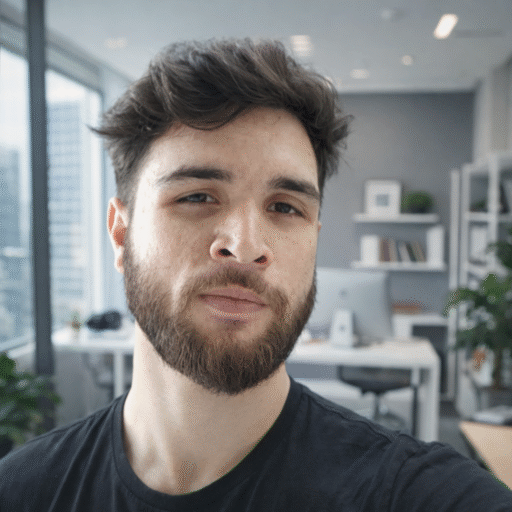
Vishal Parihar is a Full Stack Digital Marketer and Co-Founder of Soocialhaus.in with over 5 years of hands-on experience in digital marketing. He specializes in SEO, Google Ads, social media marketing, content strategy, performance marketing, and brand growth. Vishal has helped startups, entrepreneurs, and established businesses improve their online visibility, generate quality leads, and scale revenue through data-driven and ROI-focused marketing strategies. At Soocialhaus, he leads growth campaigns, marketing automation, and conversion optimization projects for clients across multiple industries.